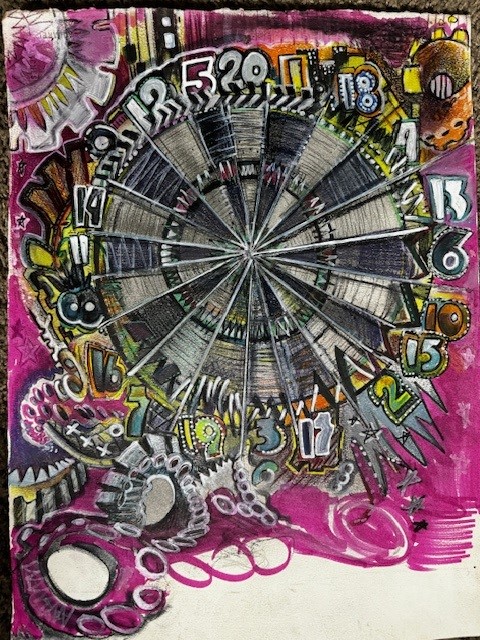
Limited Edition Prints
Archival giclée, numbered, signed. Ships in 5–7 days.
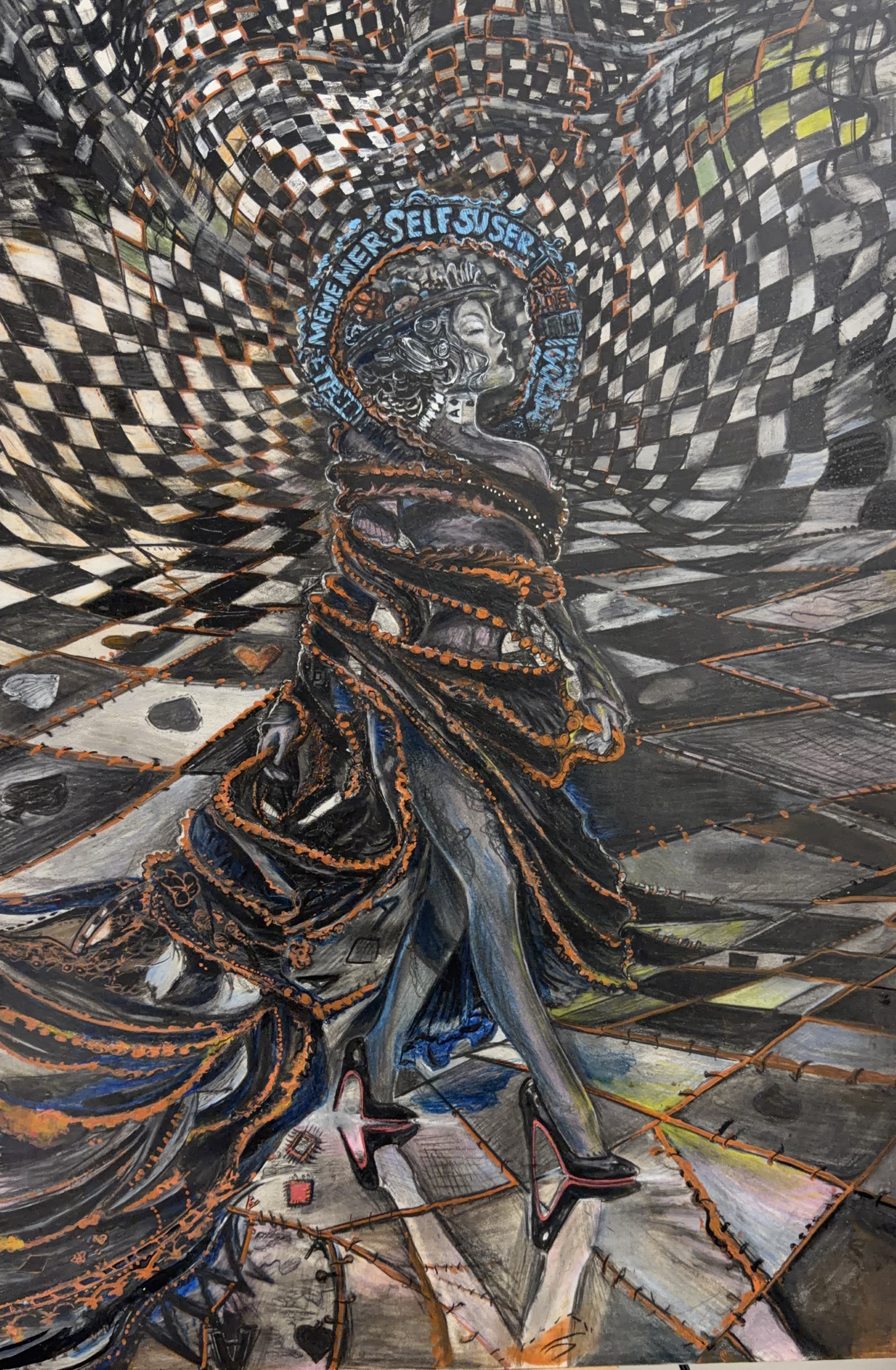
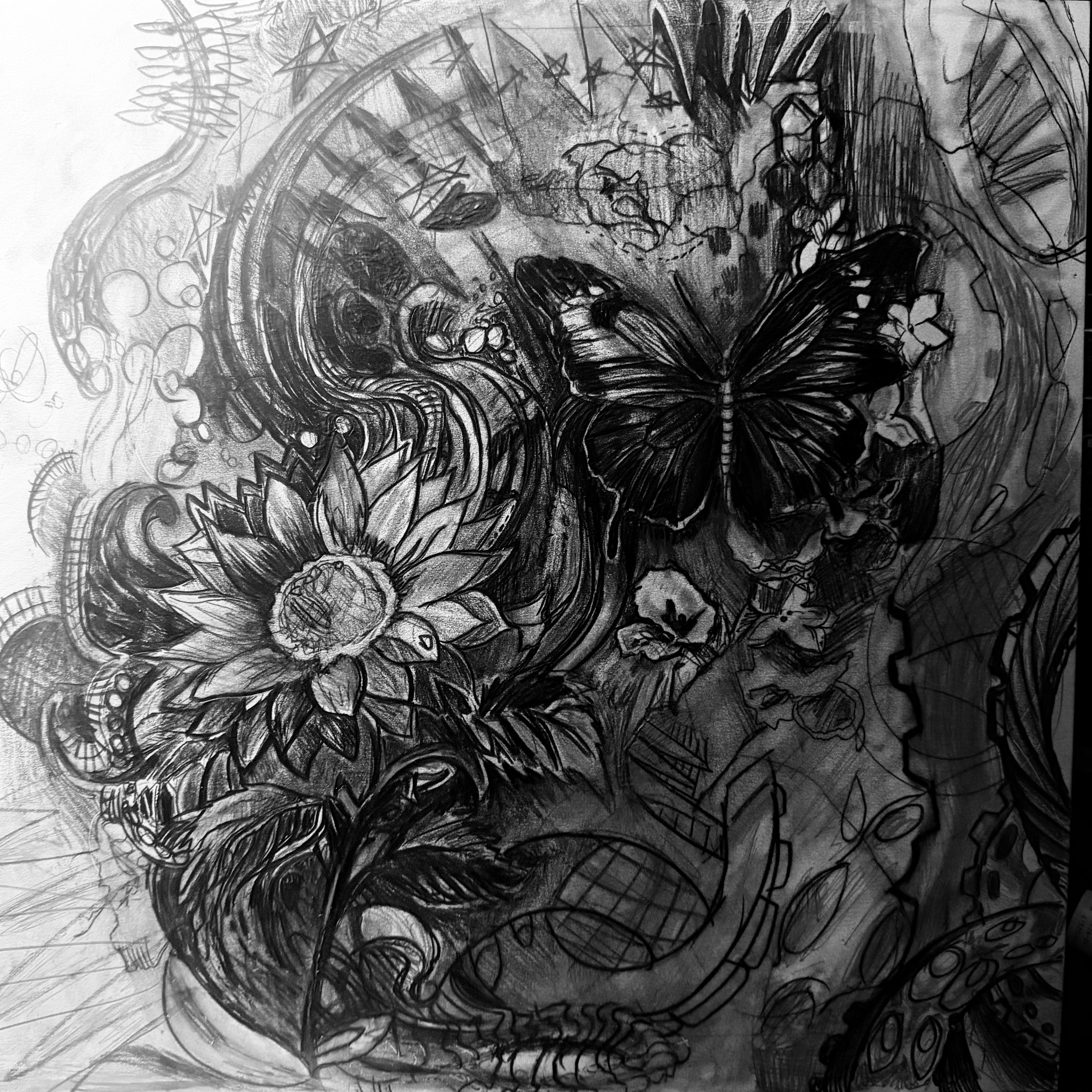
Original mixed-media works, limited archival prints, and one-on-one commissions from artist Kimberly Nichole Reising. Each piece begins as a drawing and ends somewhere between the body and the myth.
Shop Prints Commission a PieceArchival giclée, numbered, signed. Ships in 5–7 days.
Every commission includes concept notes and a working sketch before final execution.
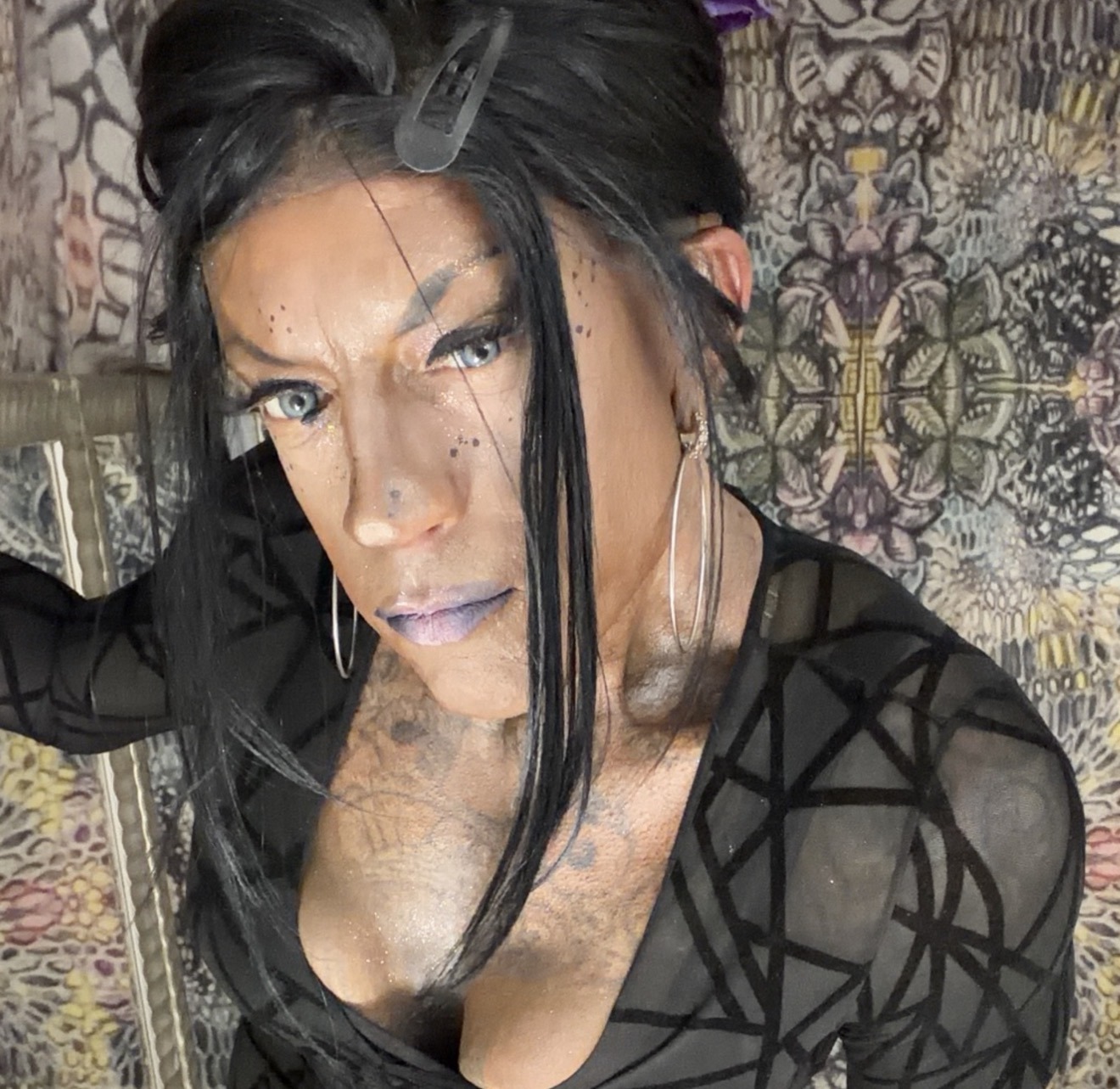
Kimberly Nichole Reising is a Philadelphia-based visual artist and fine art model working across graphite, colored pencil, mixed media rendering.
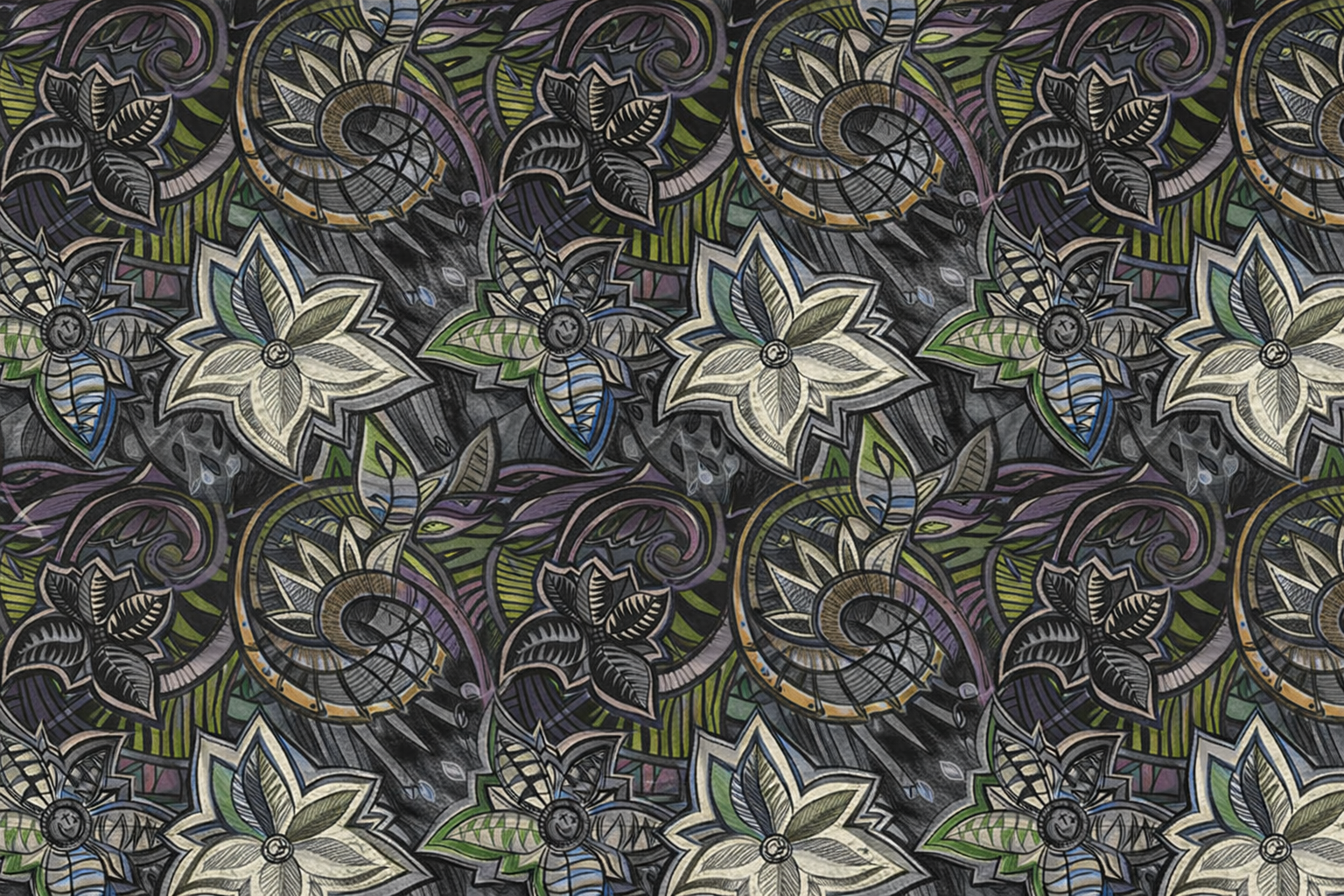
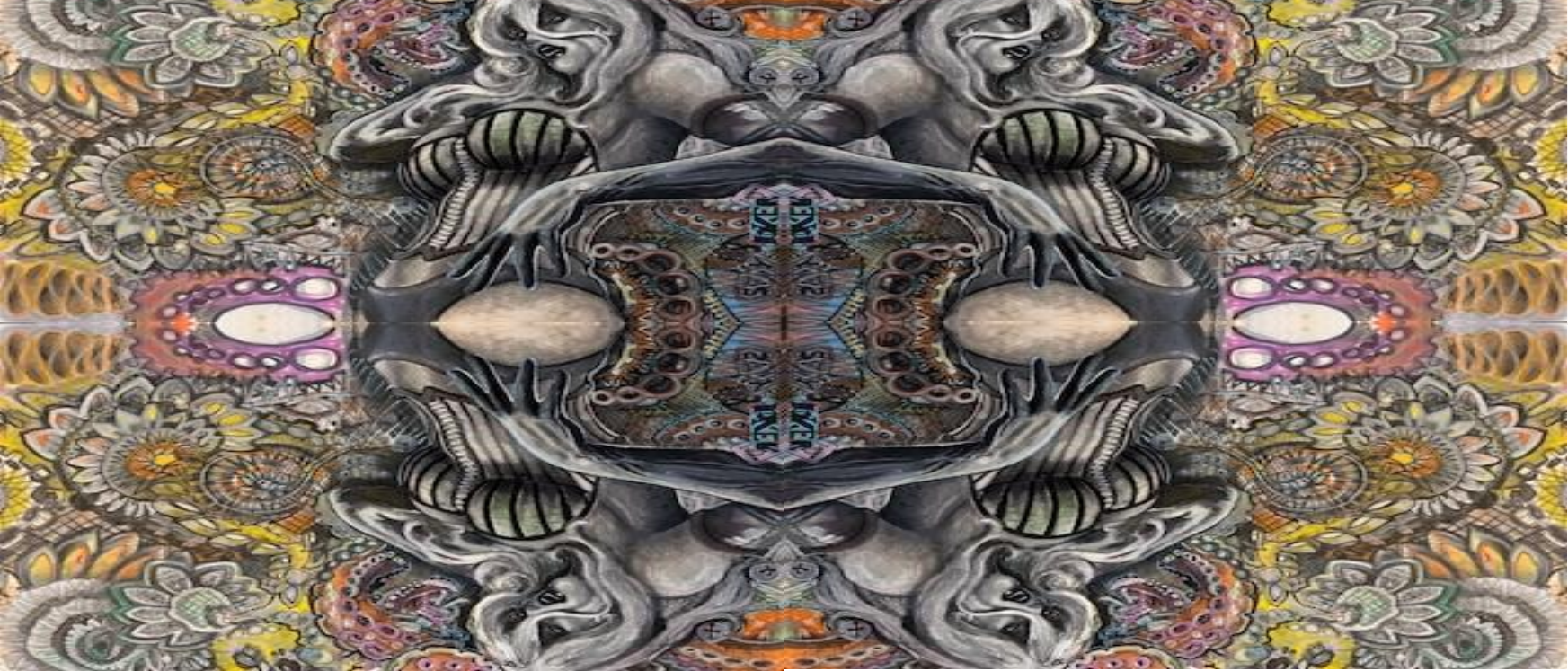
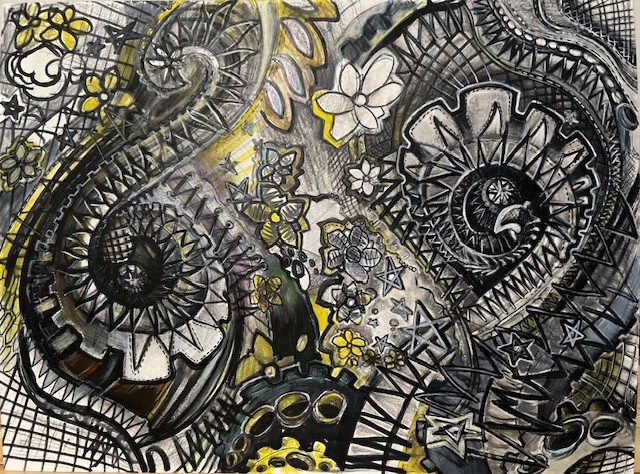
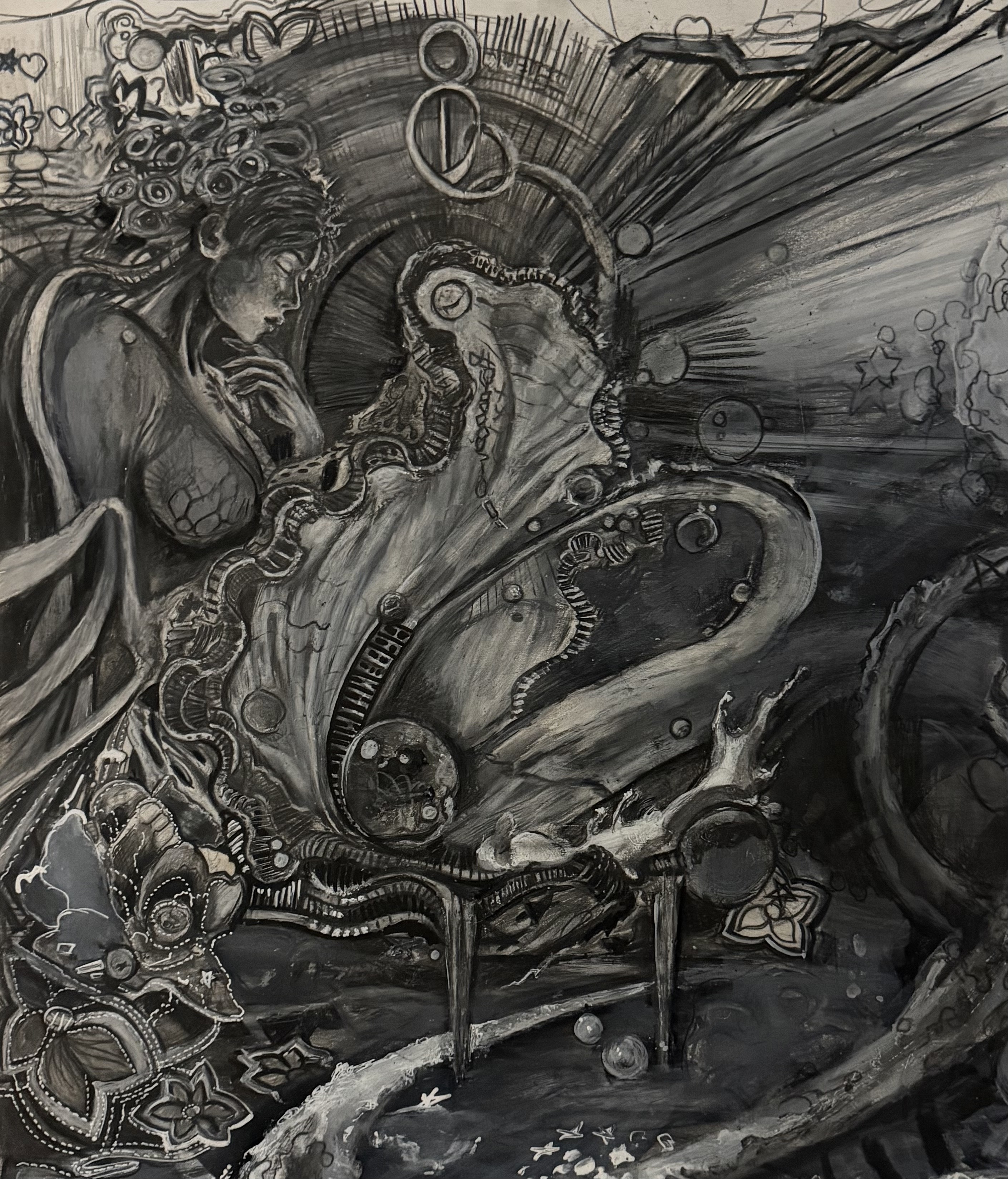
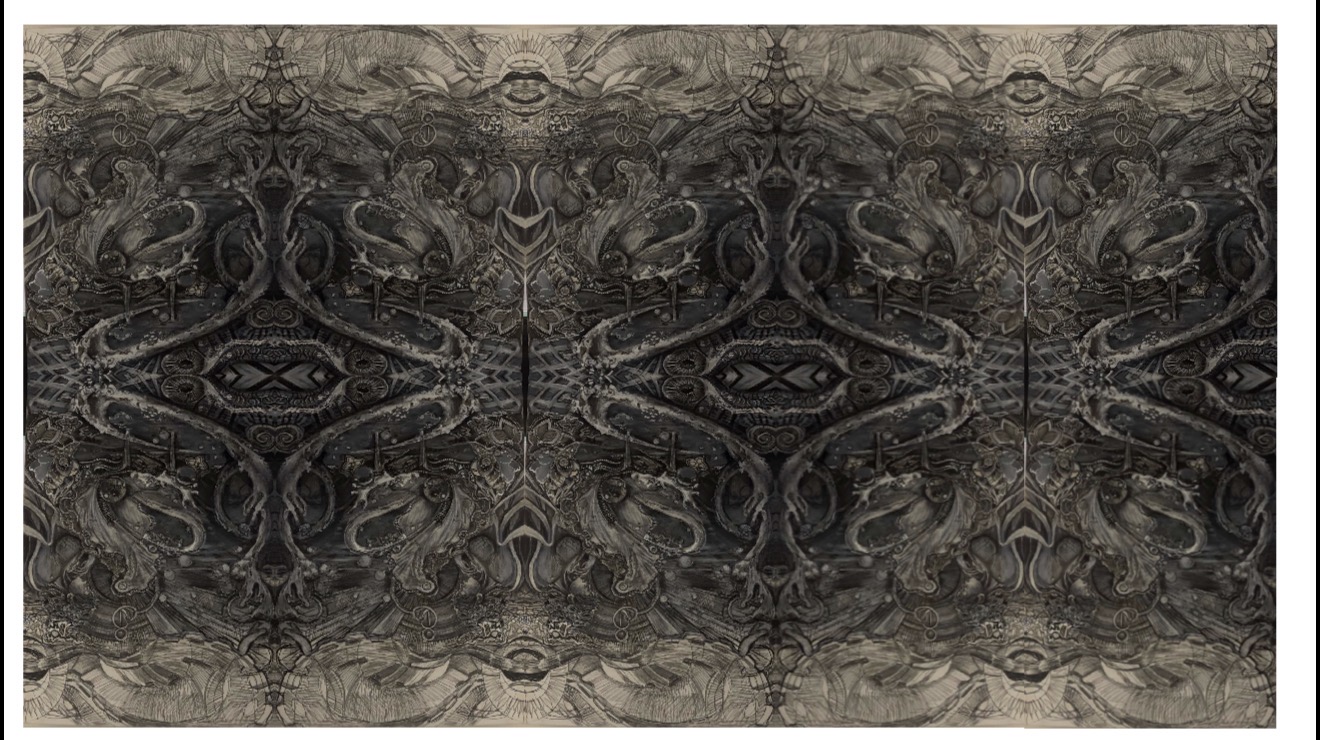
Attended the University of the Arts Philadelphia, Kimberly Nichole Reising works at the intersection of fine art, engineering, mathematics, perception, and visual systems, creating hand-drawn works that are not simply composed, but constructed to continue operating in the viewer’s perception. Her current practice deliberately integrates multiple technical and perceptual systems within a single image, including delayed recognition, visual memory, visual persistence, cognitive residue, mathematical proportion, recursive geometry, mirroring, rotation, reflection, and hinged repetition. Fibonacci relationships, the golden ratio, π, circular geometries, directional fields, repetition, and proportional structures may be embedded within the composition without demanding that the viewer consciously identify or decode them. The objective is not visual complexity for its own sake. The work is full, but it is not crowded. Information exists at multiple perceptual depths. Reising develops imagery through a process of construction, concealment, resurfacing, and transformation. Forms may be drawn, partially buried beneath paint, rediscovered through light, and subsequently returned to darkness. Earlier structures remain perceptible beneath later layers, producing what she describes as a kind of visual memory within the material itself. The image retains evidence of what it has previously been. In her underwater environments, this process becomes especially pronounced. Moving a composition underwater allows information to remain present without remaining equally visible. Sharp structures coexist with blurred fields, submerged forms, atmospheric distortion, and directional movement. Rather than removing complexity, water reorganizes it into perceptual depth. Her compositions are also designed to function beyond their original orientation. A finished drawing may be mirrored, rotated, flipped, repeated, and hinged, allowing edges to become connection points from which entirely new compositions emerge. The original artwork therefore operates not only as a singular image but as a generative visual unit, capable of producing larger repeating environments and unexpected secondary imagery. This creates an important distinction within Reising’s work: The viewer does not have to solve the code for the code to operate. Recognition can occur immediately, several seconds later, from another viewing distance, after rotation or reflection, or even after the viewer has physically left the work. An image encountered at five feet may reorganize itself at twenty, thirty, or fifty feet. Details collapse into value; objects become architecture; negative space becomes form. What initially appears abstract may later become figurative, and what initially appears figurative may dissolve into a larger geometric system. The resulting experience extends beyond the moment of viewing into visual persistence and cognitive residue, where elements of the work continue to reconstruct themselves in memory. For Reising, the artwork is not completely predetermined before execution. She allows portions of the composition to remain unresolved until their relationship to the emerging system becomes apparent. The process requires both engineering discipline and artistic patience. She does not force the image to become something. She builds the conditions in which it can reveal what it wants to become.
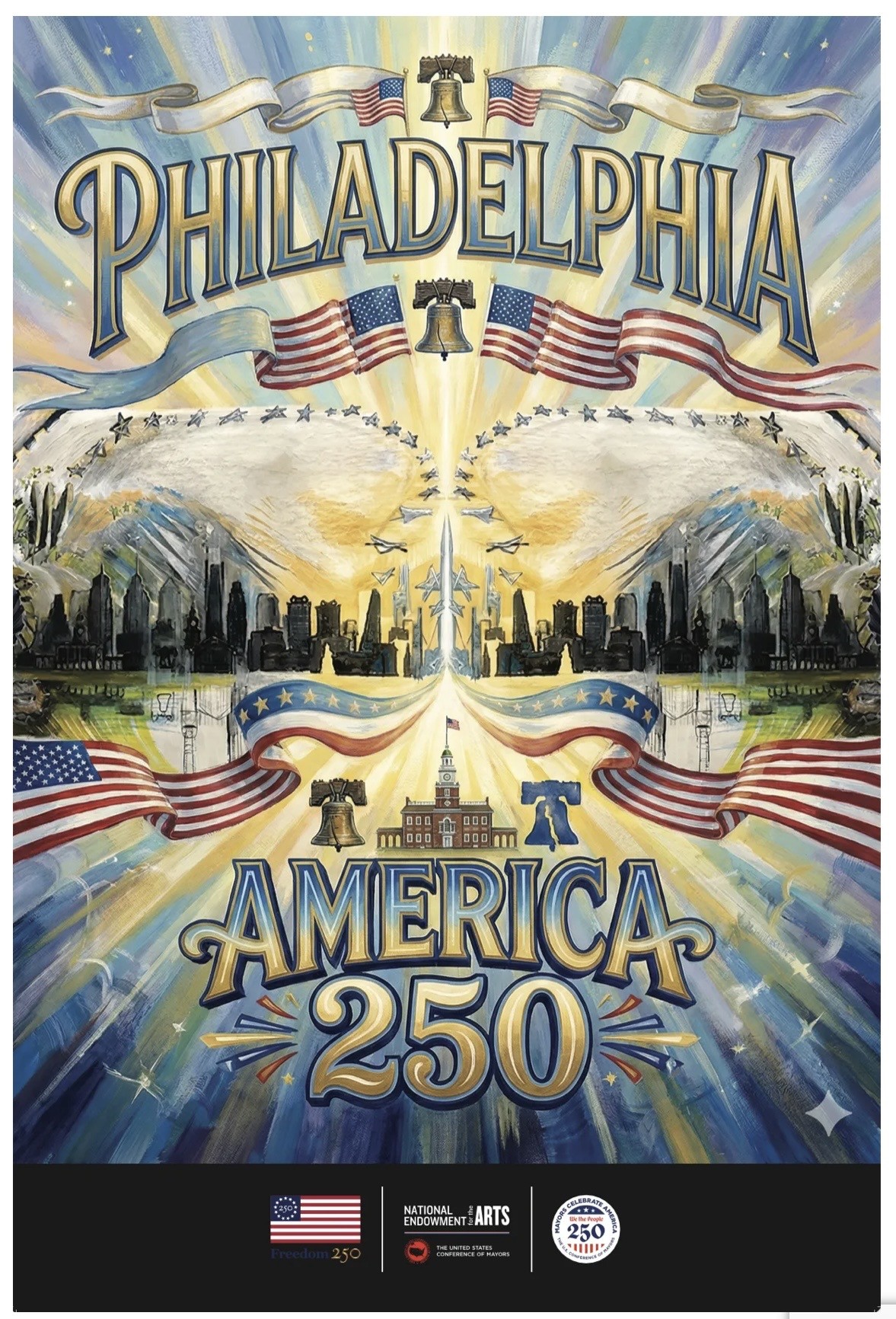
Reising is the grand prize winner of Philadelphia's America 250 design contest. Her work has shown at Philadelphia City Hall and been submitted to national and regional juried exhibitions.
Tell me about the piece. I'll reply with availability and a quote.